


DAVE MENZ: THE LAUNDROMAT MILLIONAIRE
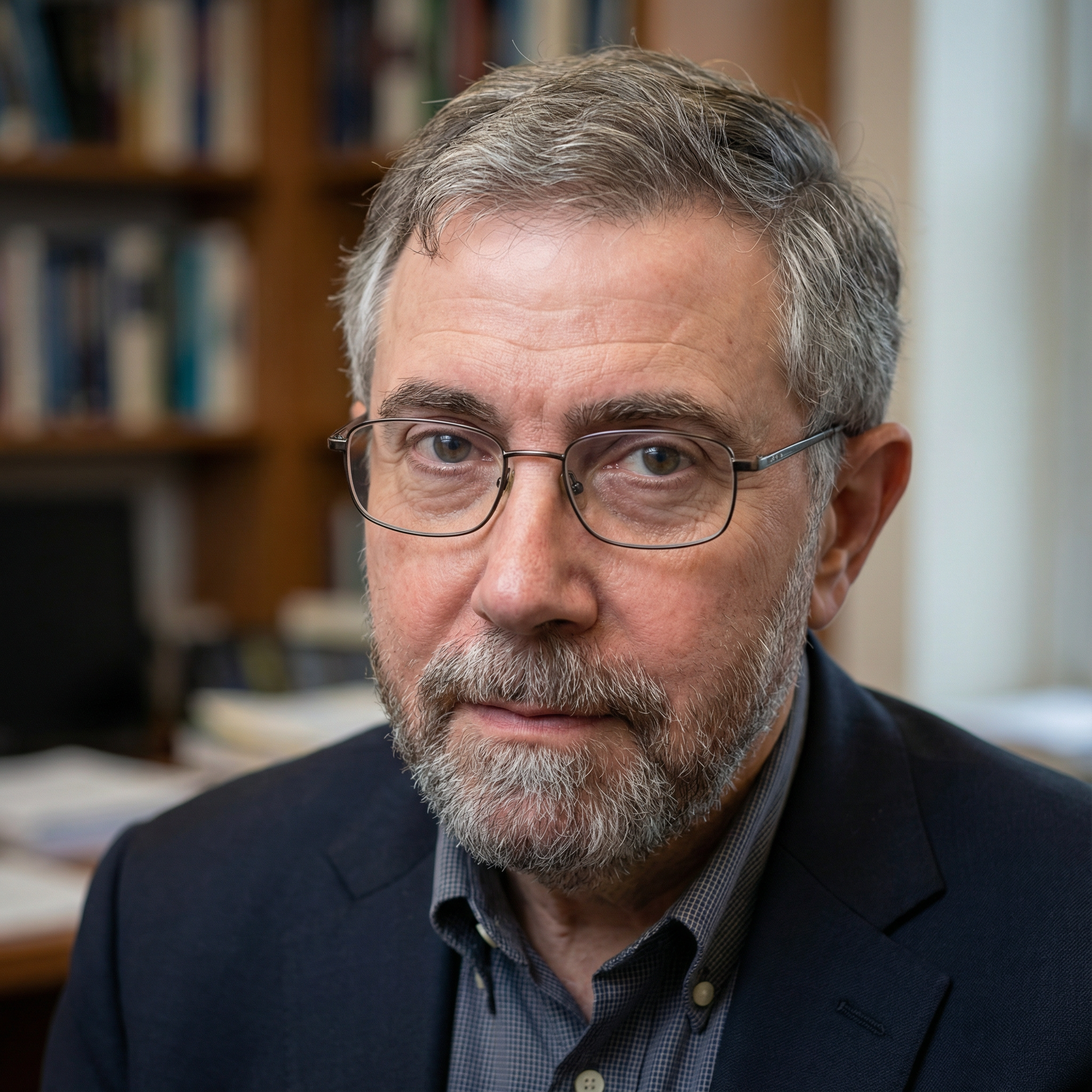
Updated: Dec 29, 2025
Title: Founder, The Laundromat Millionaire Net Worth: $3.4 Million (USD) Industry: Automated Services / Logistics

THE MOTIVE: REVITALIZING MAIN STREET
Dave Menz demonstrates that high-tech skills are not a prerequisite for wealth. A former telephone lineman accustomed to physical labor, Menz analyzed the economy and identified a fundamental truth: while technology and fashion change, basic hygiene needs remain constant.
He began acquiring distressed laundromats in Cincinnati, Ohio. These were underperforming assets owned by absentee landlords who allowed the facilities to deteriorate. Menz viewed them not as dying businesses, but as mismanaged utilities. He purchased them at a discount, often using seller financing, and applied a strategy of operational excellence. He cleaned the facilities, repaired the machines, improved the lighting, and raised prices to reflect the improved service. He transformed neglected spaces into reliable community hubs.
THE STRATEGIC PIVOT: LOGISTICS AND DELIVERY
Menz’s transition from a small business owner to a high-net-worth operator occurred when he shifted his focus from selling machine cycles to selling time. He realized that his competition wasn't just other laundromats, but the busy schedules of working professionals.
He launched a Pickup and Delivery (P&D) service. He invested in vans, hired drivers, and developed a route density model. Instead of waiting for customers to visit his stores, he went to their homes, picking up laundry and returning it folded the next day.
This pivot fundamentally changed his business economics. A self-service customer might generate $5.00 per visit. A wash-and-fold delivery customer pays by the pound, often turning a single order into a $40+ transaction. He effectively transformed a passive real estate investment into a high-margin "Last Mile Logistics" business. He now services commercial clients—gyms, spas, short-term rentals—and busy families, operating a portfolio that runs continuously.
THE ECONOMICS OF AUTOMATED SERVICES
The laundromat business provides a robust cash flow model:
Negative Working Capital: Customers pay upfront for the service. Menz receives revenue before incurring costs for water, electricity, or labor.
Recession Resistance: During economic downturns, consumers may delay purchasing new clothes, but they continue to wash existing ones. Rental housing often sees increased occupancy during recessions, which drives laundromat usage.
Automation: By installing card readers and remote monitoring systems, Menz manages his stores remotely. He can unlock doors, issue refunds, and monitor revenue in real-time without being physically present.
Menz has built a system where the assets—the machines—perform the work. This allows him to scale operations without a linear increase in his own labor.
EXECUTIVE Q&A
Capital Command: Laundromats are often marketed online as "passive income." Is this accurate?
Dave Menz: "Passive income" is often a marketing term used to sell courses. This is automated income, which is different. I built the system and I maintain the system. If a pipe bursts, it is my responsibility. However, I do not trade my time for money in the traditional sense. The machines operate and generate revenue while I sleep. That is the leverage available to operators who are willing to invest in physical assets.
Capital Command: You have built a brand around being the "Laundromat Millionaire." Is it difficult to find prestige in this industry?
Dave Menz: Wealth is often found in services that others overlook. While many are chasing the next tech trend, I am providing an essential service. My competition is limited because few people want to do this work. I provide a service that offers dignity—clean clothes are a basic need. There is honor in that, and the profit margins validate the business model.
Capital Command: What is your core business philosophy?
Dave Menz: It is about identifying friction in the physical world and resolving it. It means answering the phone, showing up on time, and performing unglamorous work with professionalism. In the service industry, executing these basics consistently places you in the top tier of operators.
KEY QUOTES
"I don't sell wash cycles. I sell time to people who value it."
"Wealth is found in the services that others think are beneath them."


Comments